Irish charity makes Christmas ad with AI and asks: Who pays the real cost? #AIatChristmas
Kinia, the non-profit bridging Ireland’s digital divide, has launched a Christmas ad made entirely in-house with generative AI. It’s produced with a purpose: to question who benefits from AI, who pays a cost, and who risks being left behind.
A production like this would traditionally need a cast, a crew, sets and a budget, that for the biggest brands and ad campaigns, could run past €1 million. Kinia’s small team made it in a few days with €76 worth of software, alongside time spent scripting and directing, and some human editing to bring the video and audio together.
The ad
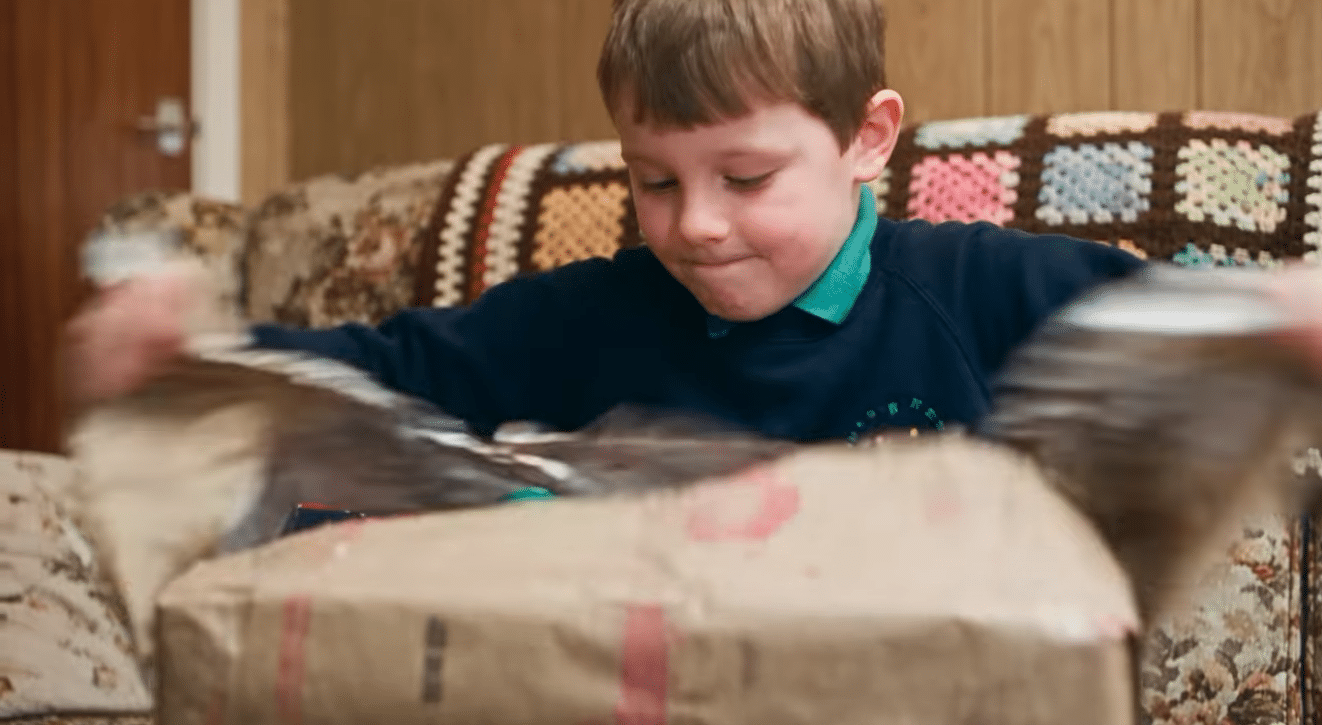
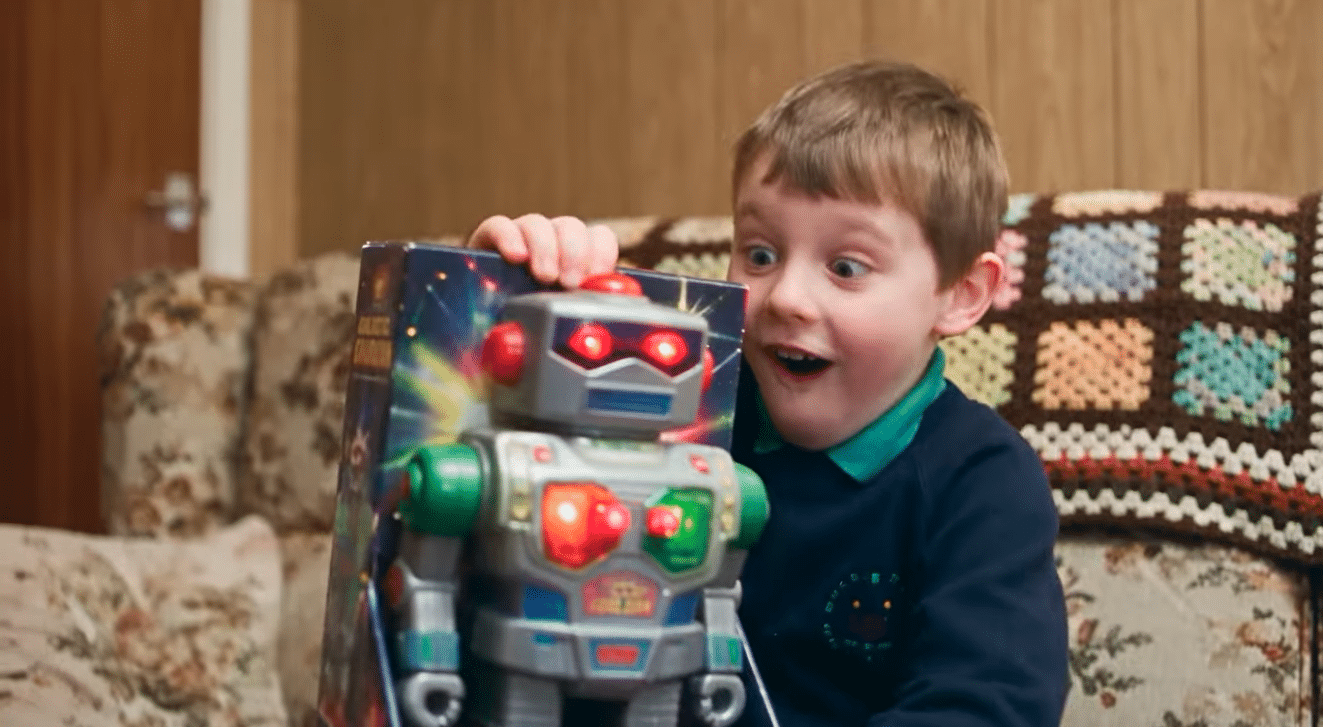
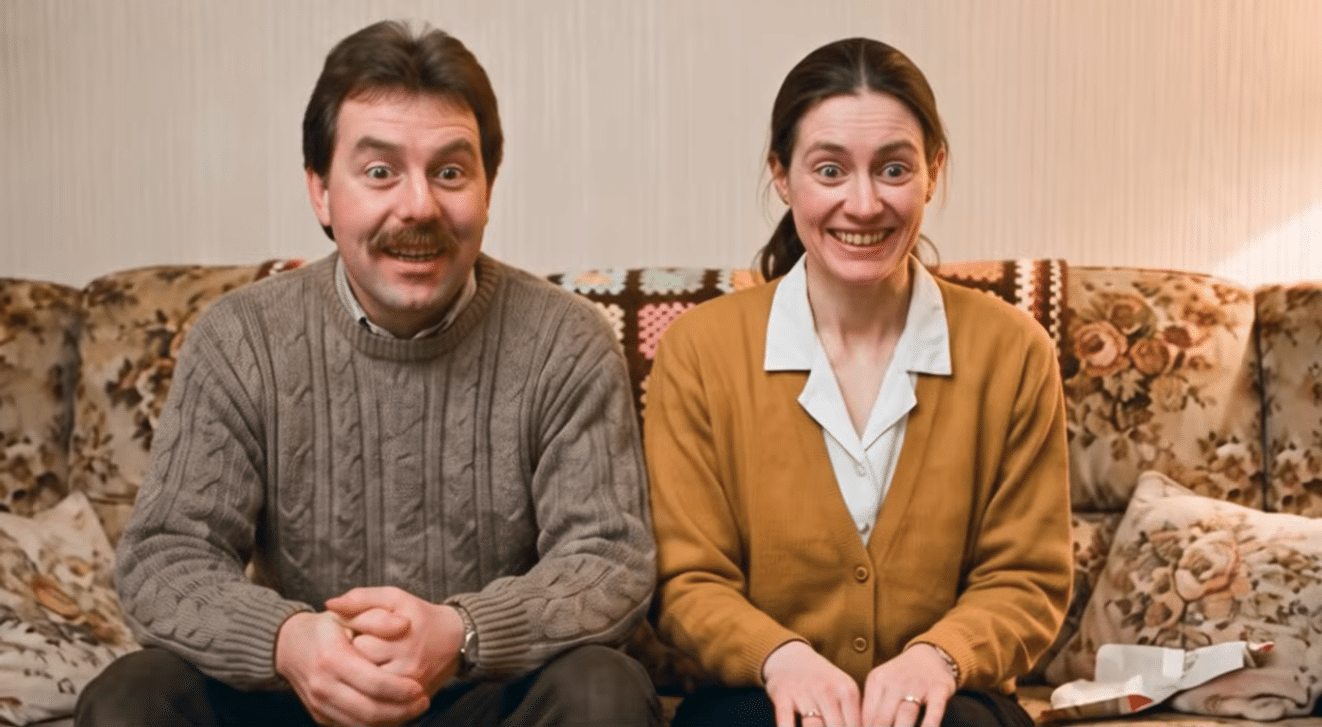
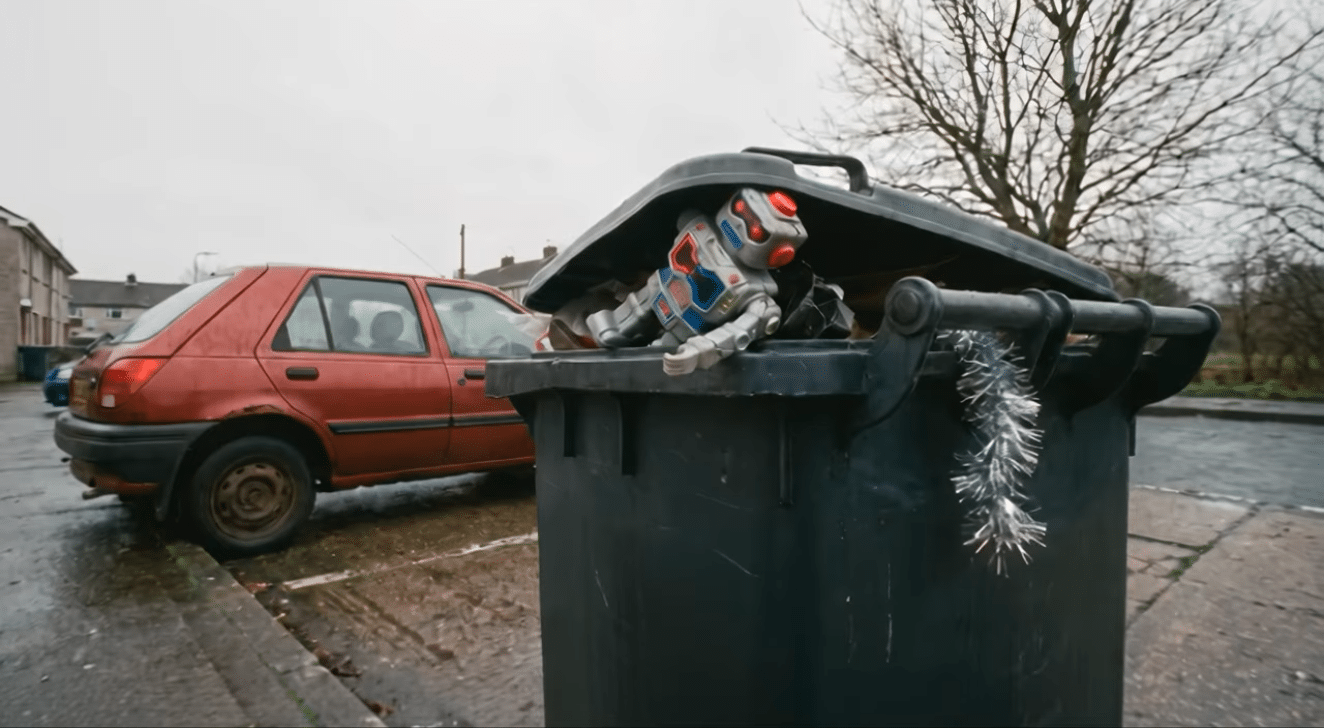
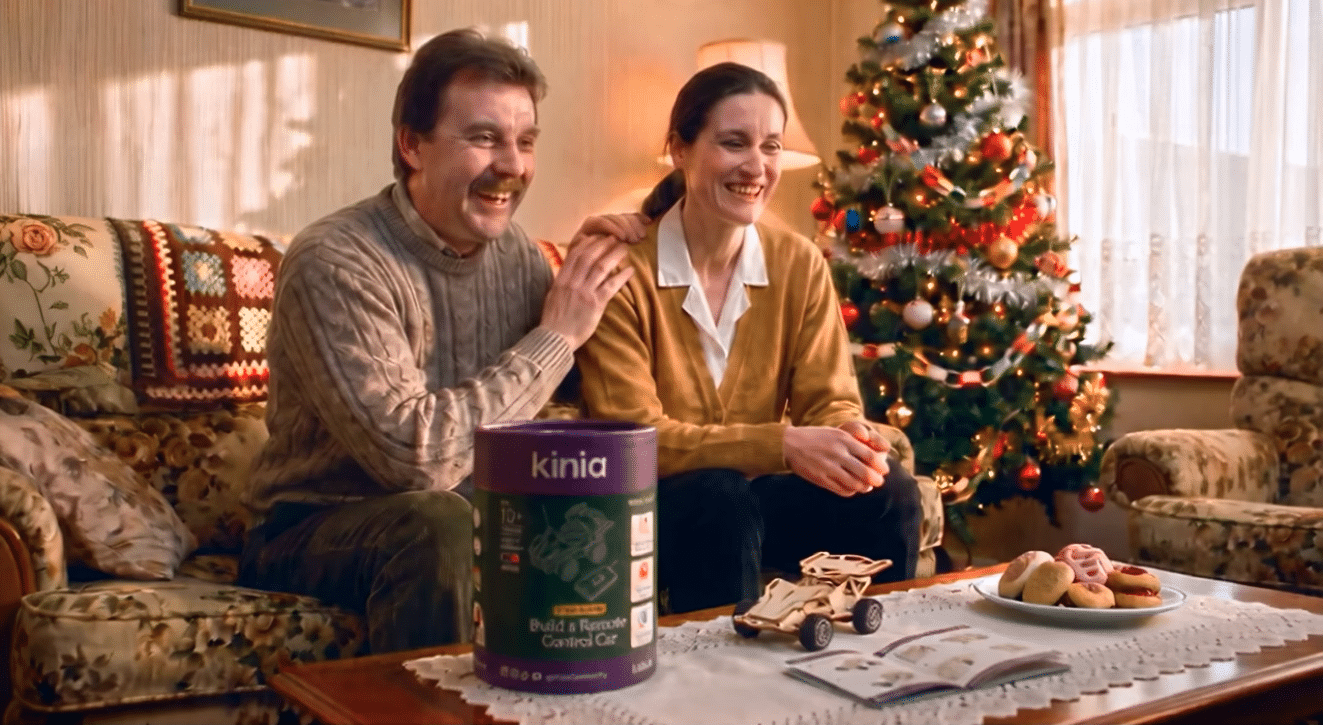
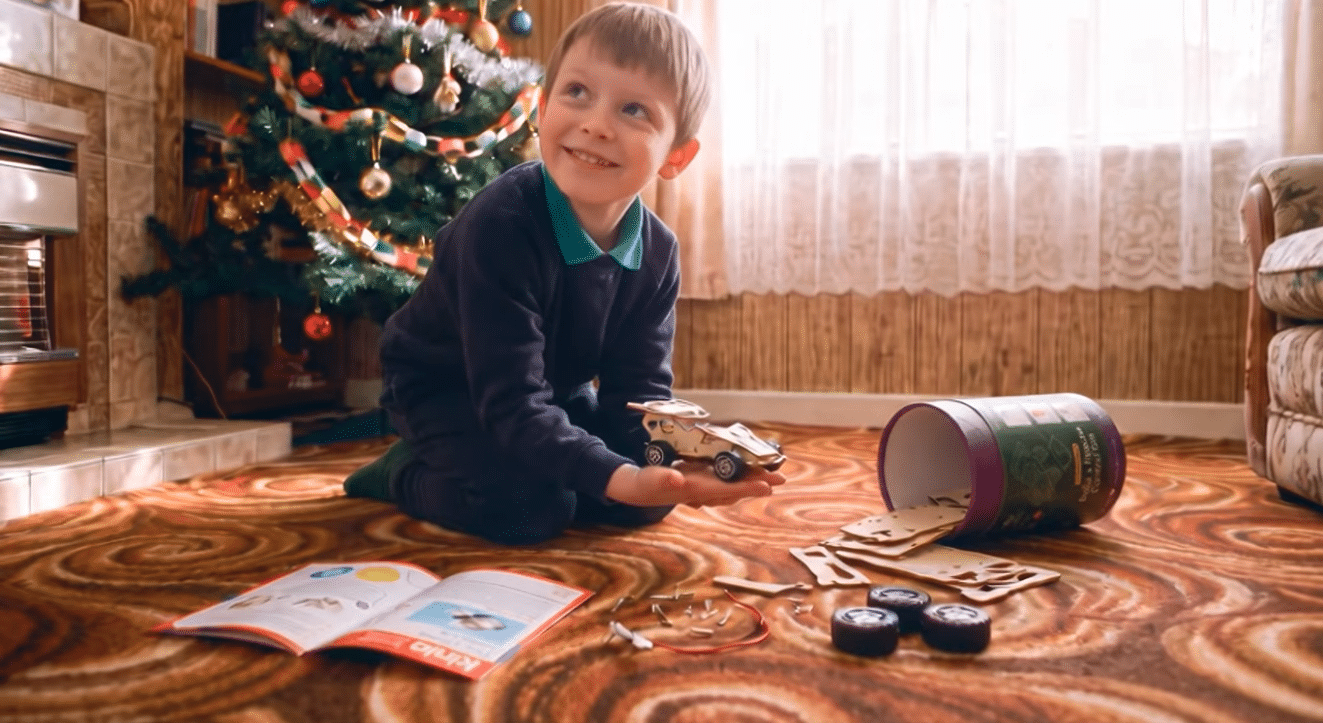
The 47-second film is set in a warmly nostalgic Irish living room. A boy’s shiny plastic robot soon ends up in the wheelie bin, until he unwraps a Kinia STEM kit, builds his own remote-controlled car, and his parents watch it zip across the carpet. It closes on Kinia’s message for the season: “Give a gift that gives twice.”
The questions behind it
1. Will AI only open doors for those with the skills to use it?
The tools that made this ad are open to almost anyone. The skills to use them are not. AI is here, and left unchecked, it could widen the digital divide rather than close it.
A spokesperson from Kinia, said: “We believe campaigns like this should be made with real actors, sets and storyboards, and we never want to lose the authenticity, creativity and craft. But we’d be pretending if we said AI hadn’t changed what’s possible. For the first time, a charity like ours can tell a story at this scale while keeping resources focused on our impact and the work we do. As technology moves fast, we need to ask who is being equipped with the knowledge, confidence and skills to understand it, question it and take part in shaping its future.”
“That’s a conversation Ireland needs to have, and creatives, educators, communities and policymakers all need to be in the room. We don’t have all the answers, and we want to be open about the risks as well as the benefits, especially for the young people and communities we work with. AI should be built into our future openly and fairly, so it creates new opportunities for everyone, including the actors, crews and creatives at the heart of great storytelling.”
2. When AI steps in, what do young people miss out on learning?
Kinia wants young people to understand AI and feel confident enough to experiment with it. But when AI does the work, young people can miss the moments of discovery that make learning meaningful and fun. Learning to use AI tools well has to go hand in hand with learning to think, make and create without them.
3. Can AI be fair if it’s built on creators’ unpaid work?
The ad was conceived and directed by Kinia’s team, built through extensive prompting and testing. The people and settings shown are AI-generated and do not depict real individuals. Kinia is clearly labelling it as AI-made, in keeping with its work helping young people understand and recognise AI-generated media.
Kinia also acknowledges a harder truth. Generative AI tools, including those used to make this ad, are trained on vast amounts of work by artists, writers and makers. Being able to make something on a small budget can feel democratic, but it should not come at the expense of the creators whose work makes these tools possible.
Join the conversation
Kinia invites creatives, educators, community organisations and policymakers to share their views on AI, access and impact using the hashtag #AIatChristmas.
The impact so far
Kinia has reached 406,973 children and young people across all 26 counties, working with 2,665 schools and youth centres, 24,524 educators and 1,288 volunteers.
Watch and support
The ad is available to watch live on Kinia’s YouTube, Instagram and LinkedIn channel. The Build a Remote-Controlled Car kit featured in the ad costs €18 at shop.kinia.ie, and every purchase supports Kinia’s work bringing creative tech education to young people nationwide.