
CASE STUDY · KINIA’S HYDROGEN EDUCATION PROGRAMME
Racing on hydrogen, powered by community
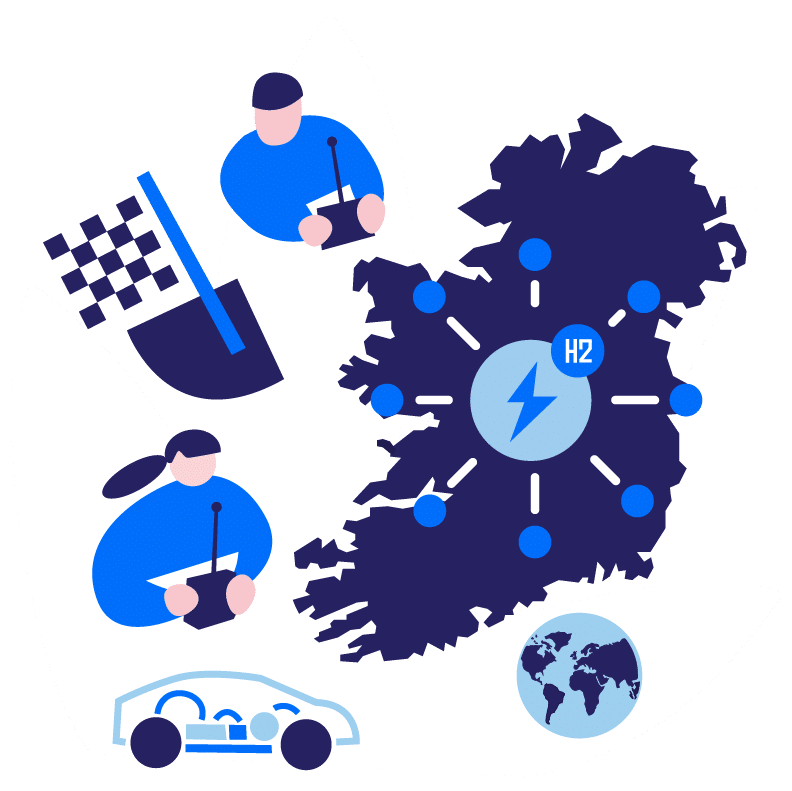
A team of young people from Macroom Family Resource Centre built and raced a hydrogen-powered car in Ireland’s first H2GP Pro final taking third place in the overall 3.5-hour endurance race, and first place for innovation.
12
Young people
impacted
3rd
Place over
270 laps
1st
Place for
innovation
12
Youth credentials earned
What is the Hydrogen programme?
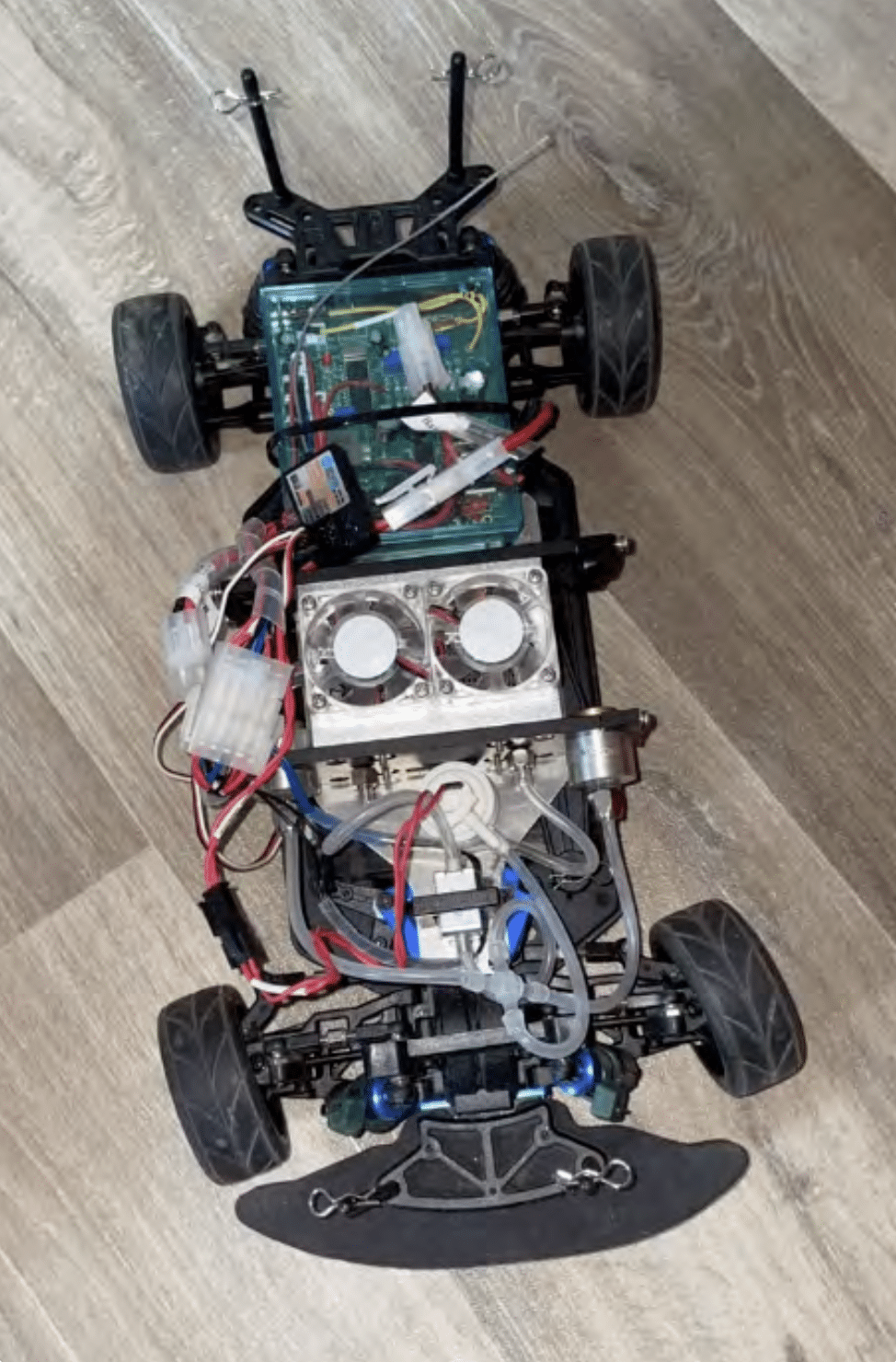
The Hydrogen Education Programme is an initiative by Kinia, a leading organisation in Hydrogen Education in Ireland. Incorporating the Horizon Educational H2GP Pro curriculum, young people learn the science of sustainable transport hands-on, including what a fuel cell is and how it works, how electrolysis turns water into power, and how to build, modify and race a 1:10 scale hydrogen-powered car.
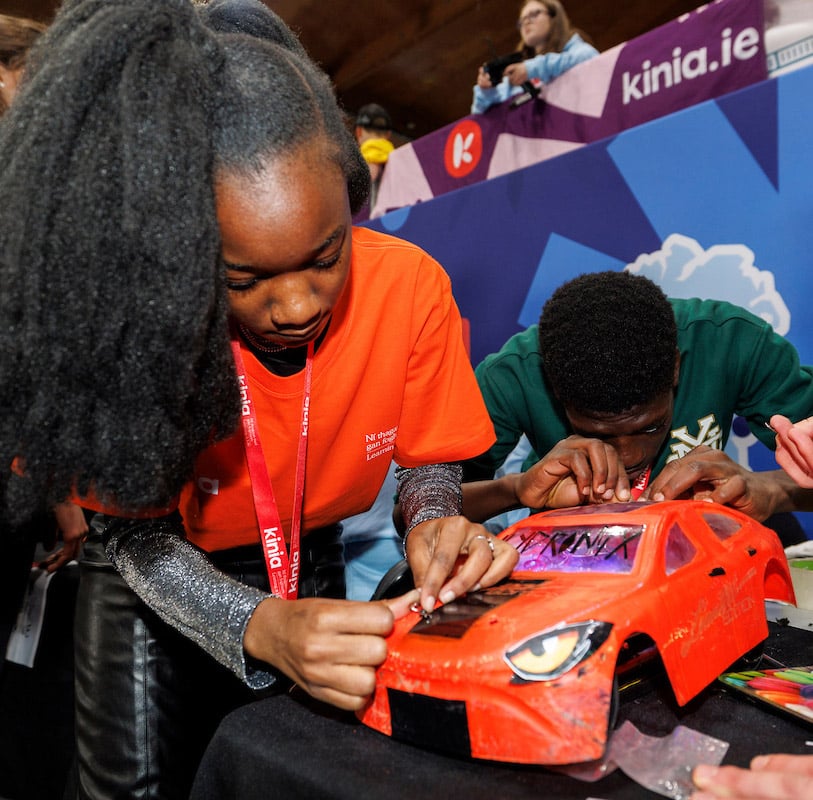
The team from Macroom Family Resource Centre who took the name “HydroMix” to represent the mix of cultures in the group worked through design, driving technique, race strategy and pit-stops, all building towards one goal: Ireland’s first ever H2GP Pro final. The final took place during the Department of Transport’s LogisTYcs Skills Expo in the National Basketball arena, with over 2000 secondary school students and their Educators in attendance from all over the country.

ORGANISATION
Macroom Family Resource Centre, Cork
 ORGANISATION TYPE
Youth Service

EDUCATOR
Nadia Rashdan & Linda Yendani

PARTNER
SSE Renewables
An ambitious goal
The young people on the Hydromix team came from diverse communities, with many navigating serious upheaval including family loss, and disruption to housing, education and livelihoods through migration. None of the young people involved had a science or tech background, but what they did have was curiosity and a can-do spirit. They were eager to learn, and determined to compete and win for their communities against far more experienced teams.
How the programme worked
The team was funded by an SSE Renewables community grant, and the programme was delivered by Kinia with hands-on support throughout, and all within a very short, intensive turnaround.
01
Learn the science
From electrolysis and fuel cells to building and modifying the car for efficiency and endurance.
02
Practise & strategise
Driving technique, race tactics, data logging and efficient pit-stops – all refined session by session.
03
Support all the way
Up to eight onsite sessions plus a WhatsApp group, tailored to a team learning it all for the first time.
They came with a can-do spirit, they were eager to compete and win for their community.
PROGRAMME TEAM
Macroom Family Resource Centre
Learning by doing
To get real track time, the team hired out a local basketball court and built their own mock-up circuit with obstacles, in a space big enough to properly practise driving and handling the car.
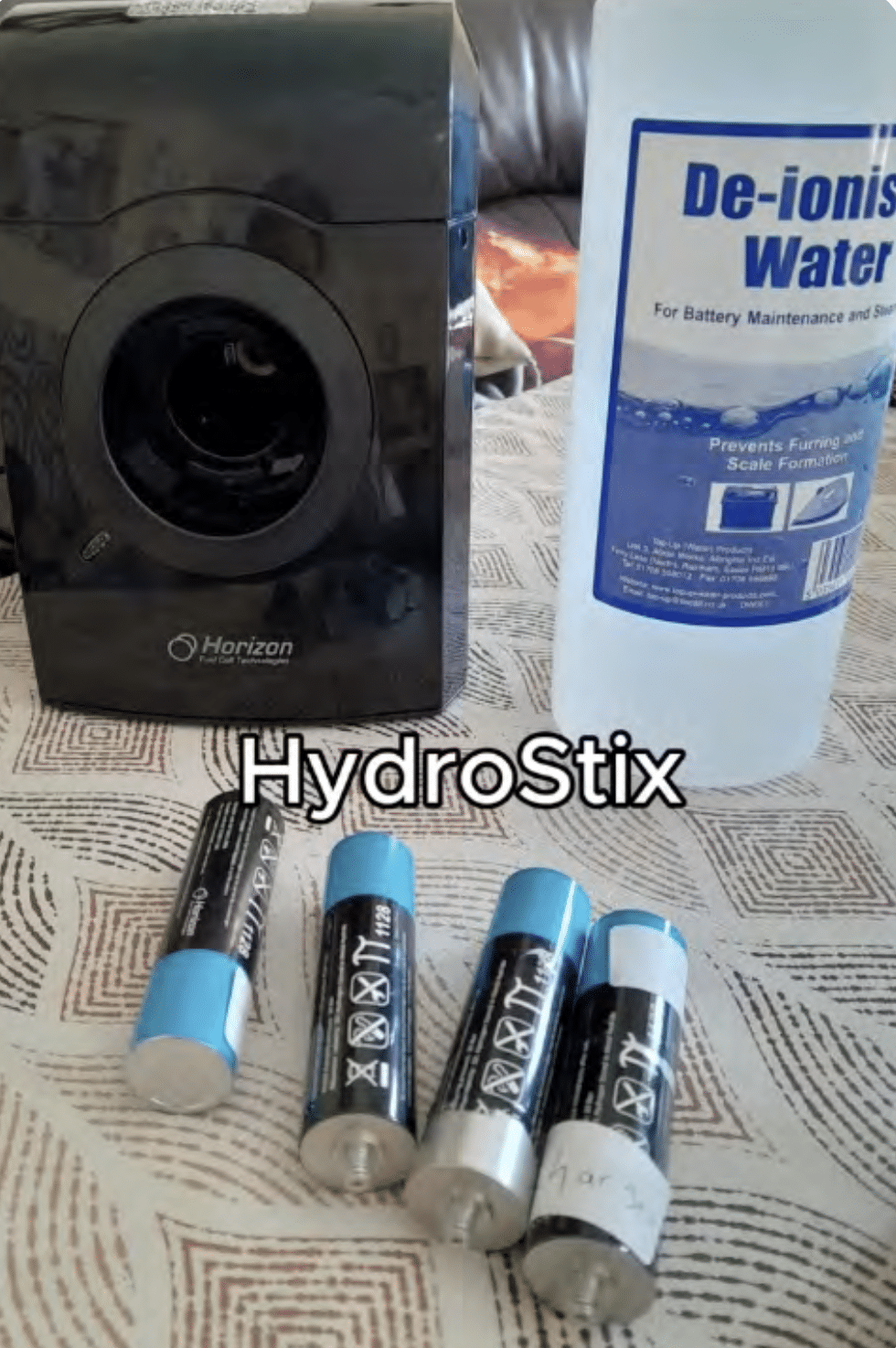
They kept detailed data logs throughout: Hydrostik weight, laps per Hydrostik, and racer profiles, all used to sharpen their race strategy. The single biggest driver of their learning was the H2GP race itself, a real deadline that pushed them to master as much as they could about hydrogen fuel.
Bringing a community together
More than a racing project, this was a coming-together project. Young people from different backgrounds trained side by side, several were fasting during Ramadan inside a four-week window, and found something bigger than the competition. They gained new perspectives on social and gender barriers, learned how to make decisions democratically as a team, and became part of a wider tribe. The name they chose HydroMix says it all.
This project helped our young people from diverse communities come together, sharing different skills and cultural perspectives.
The programme grew out of a genuine community effort, rooted near the Coomacheo wind farm on the Cork/Kerry border.
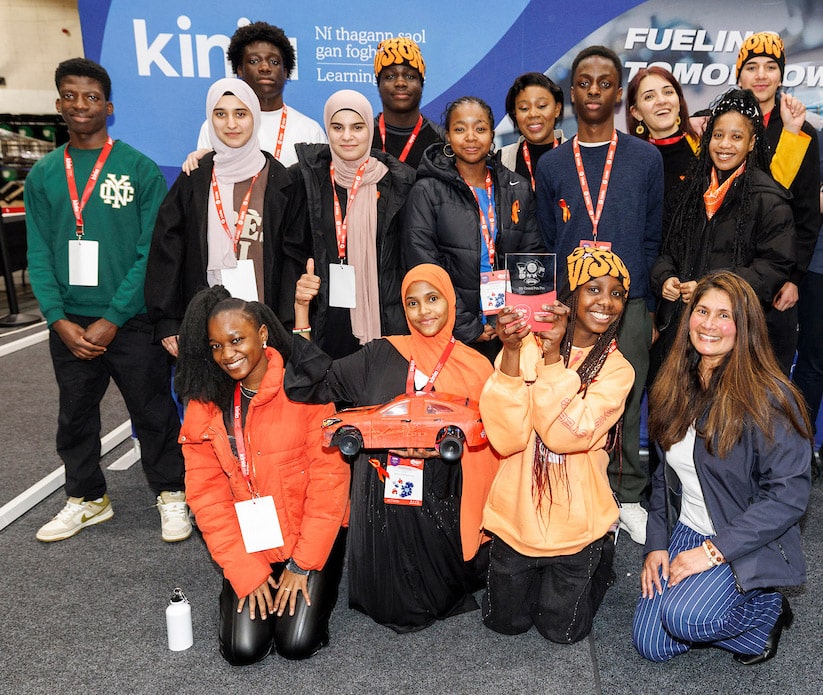
The HydroMix team at the H2GP Pro final .
Discovering talents and future paths
Along the way, young people discovered their own talents and interests, and started to see how they might align with future careers. They earned real knowledge of climate science and the engineering behind a hydrogen-powered car, and they earned 12 industry recognised youth credentials from Kinia to show for it.
They built practical engineering skills: electronics, hydrogen cell engineering, identifying and solving problems, and understanding how real-world engineering improves reliability and efficiency, the kind of skills that open doors.
The team prepared for and raced on Ireland’s first H2GP Pro race day – delivering a first-place innovation presentation and coming third in the endurance race with over 270 laps, all while carefully conserving energy to make every Hydrostik count.
Small improvements across many areas can create a big overall impact.
THE TEAM’S KEY MESSAGE
Every problem was a chance to learn
Like any real build, it wasn’t smooth. The team hit technical problems: disconnected motors, loose wires, and sustainability issues that they cracked through trial and error, testing settings and driving tactics until they found what worked. They rallied the community to invest in a proper toolbox of equipmaent, and having joined the programme late, they took on extra support sessions to catch up with more experienced teams, turning a tough start into a podium finish.
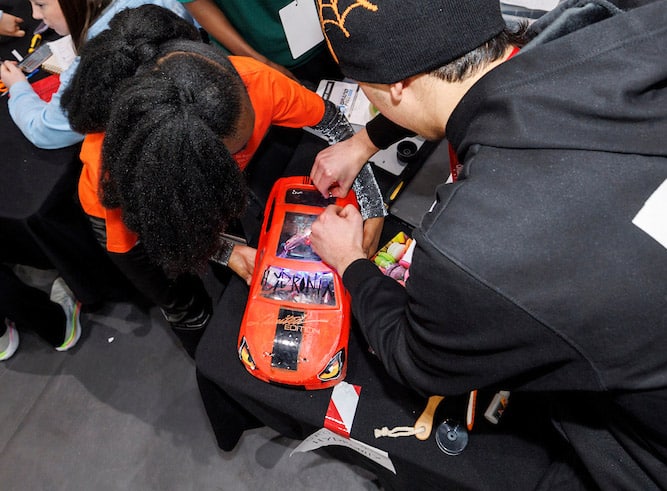
The HydroMix team at the H2GP Pro final
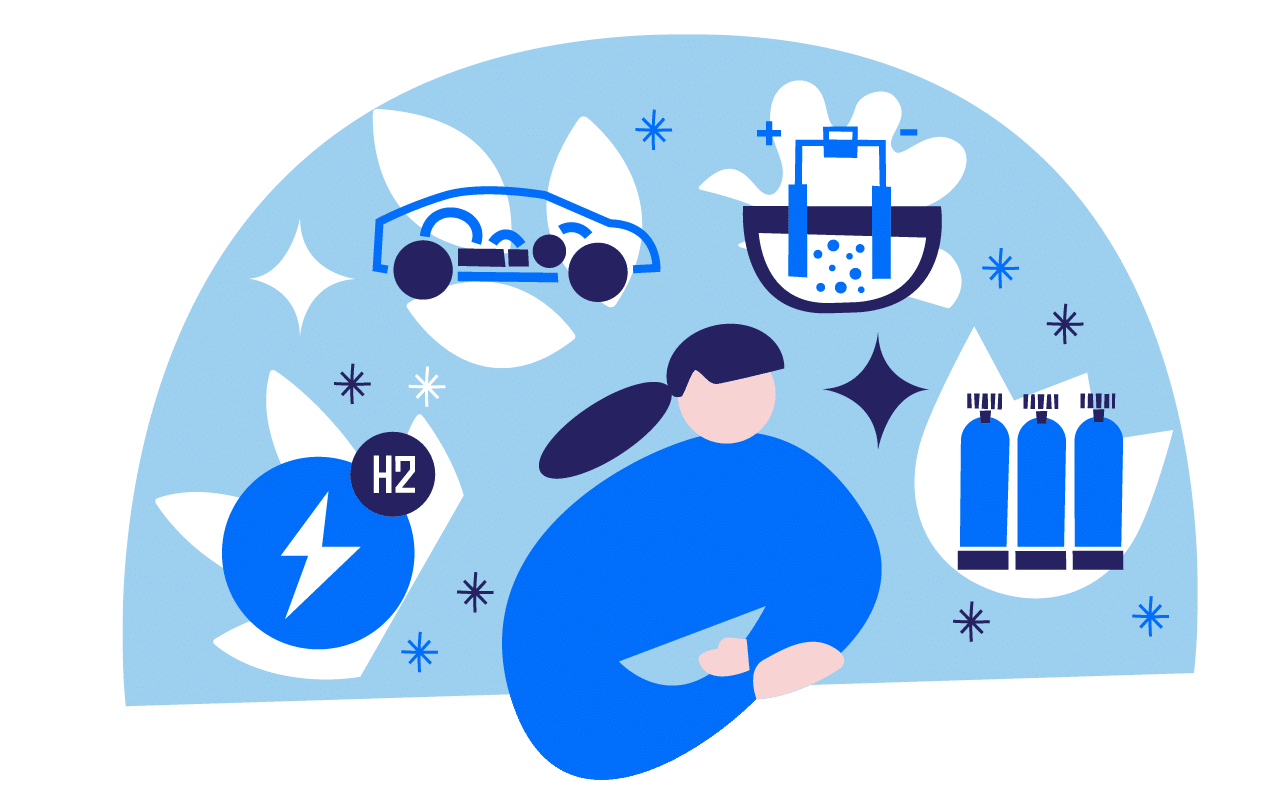
Science brought to life
The Hydrogen Education programme teaches sustainable methods and where they’re used in the real world, alongside genuine engineering fundamentals including data collection, tool use and performance testing. Crucially, young people then apply these skills to maintaining and driving a real car, showing students that the science they meet in class isn’t abstract and it’s something they can put to work with their own hands.
12 young people, one hydrogen car, and a podium finish in a national first.
The young people learned teamwork, problem-solving and resilience through hands-on science, and saw how it applies to the real world. Above all, it brought different cultures together around a single goal, transformation through integration.
Curriculum Connections
01 |
02 |
03 |
04 |
05 |
| Leaving Cert Chemistry | Leaving Cert Physics |
Leaving Cert Geography | Leaving Cert Mathematics & Leaving Cert Computer Science | Senior Cycle Key Skills (NCCA) |
| The process of assembling, fueling and using the H-Cell for the pro car provides opportunities to understand concepts such as electrolysis, biofuels and chemical reactions. | Driving the pro car and testing assembly after making modifications, e.g. gear ratio, promotes exploration of Electricity and Mechanics strands in the Physics curriculum. | Evaluating renewable energy technologies, considering environmental, economic and ethical impacts of hydrogen-powered cars. | Collecting and analysing data on lap times, hydrogen consumption etc. and collating this in graphs and log books to improve efficiency. | Information processing; Critical and creative thinking; Communicating; Working with others; Being personally effective. |
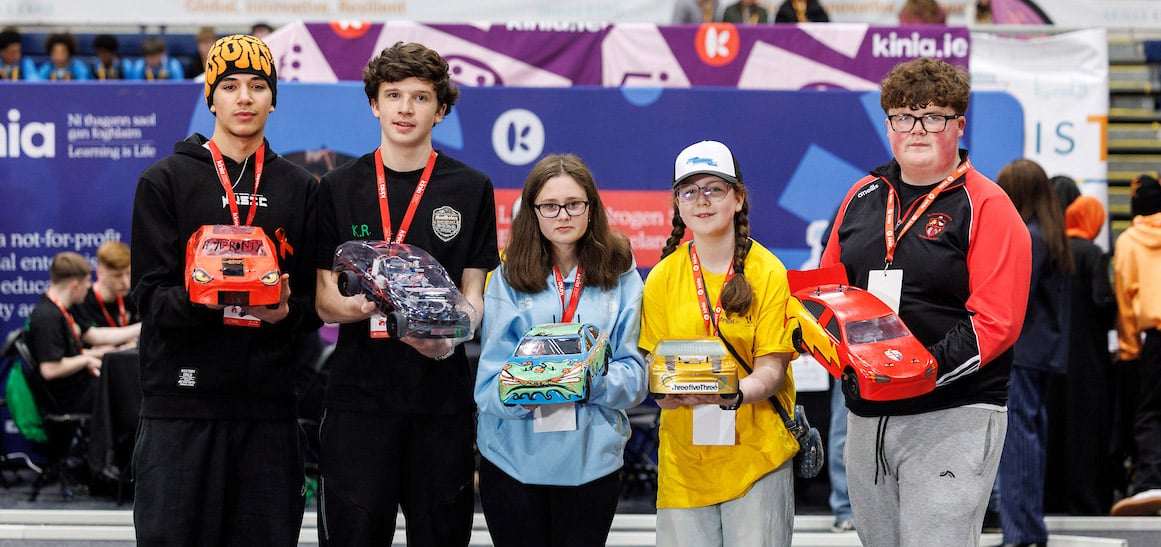
Bring the Hydrogen programme
to your School or Community
Kinia works with schools and youth services to deliver hands-on STEM that builds skills, confidence and connection, and puts young people on the start line to lead in Ireland’s Green and Digital Future.
Talk to us: kinia.ie/contact
